How To Clean Install Mac Os High Sierra And Then Use Timemachine For Files 4,2/5 6053 reviews
MacOS High Sierra clean install and restore. Restart the computer. The Utility Menu will appear in from 5-20 minutes. Select Disk Utility and click on the Continue button. When Disk Utility loads select the drive (usually, the out-dented entry) from the side list. Click on the Erase tab in Disk Utility's main window. Terminal command to force-install Mac OS High Sierra onto a specified drive? I'm wondering if there is a way to install Mac OS High Sierra using terminal onto a specified drive? I'm working with a bit of a unique situation as I've been running Mac OS Sierra successfully in a.
If you have a Mid-2011 or later model then do this: Clean Install of El Capitan or Later on a Clean Disk • Restart the computer. Immediately after the chime hold down the Command-Option-R keys until a globe appears.
• The Utility Menu will appear in from 5-20 minutes. • Select Disk Utility and click on the Continue button. • When Disk Utility loads select the drive (usually, the out-dented entry) from the side list. • Click on the Erase tab in Disk Utility's main window. A panel will drop down. • Set the partition scheme to GUID.
• Set the Format type to Mac OS Extended (Journaled.) • Click on the Apply button, then click on the Done button when it activates. • Quit Disk Utility and return to the Utility Menu. • Select Reinstall OS X and click on the Continue button.
EDIT: Accidentally replied to the wrong person. This is meant for the thread creator. Well hello there, welcome to the Apple Support Communities. Here's a funny story: I went through a whole week long process to do exactly this because I was misinformed on the use of the Time Capsule. I'm going to make sure I write a complete guide for you so you don't have to go through the same pain I did. Alright, let's start from the beginning. Step 1: You're going to want to update to MacOS High Sierra first.
Open the App Store, download MacOS High Sierra, then install. Step 2: Create a Time Machine Backup now. This way, it'll be on the latest version of MacOS to prevent any problems regarding OS version. Open System Preferences, hit Time Machine, and then Backup.
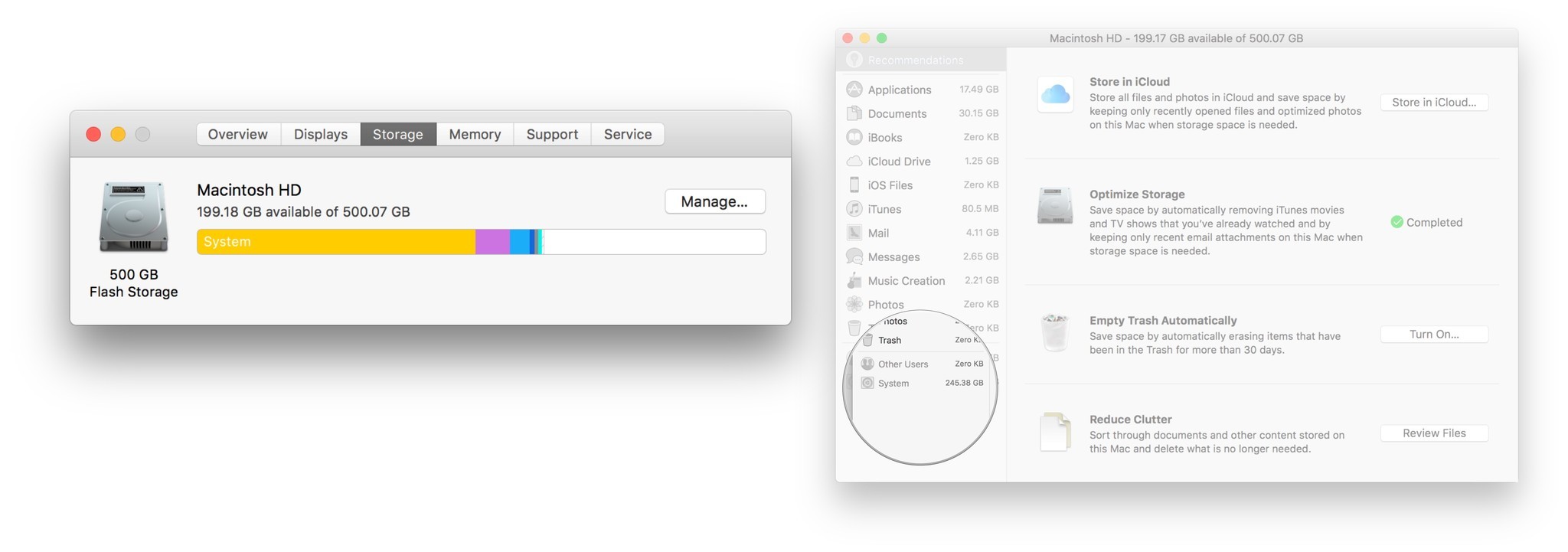
Also, do one more thing. This may help you during the next few steps. Click the Apple logo in the top left, click About This Mac, and click Storage.
Remember the name of your disk, and if you want you can even keep a record of the amount of storage you've got. Just trust me.
The name of my disk is, 'Macintosh HD', as seen written next to the image of the disk. Step 3: Once you are 100% sure your backup has completed, go ahead and restart your MacBook Pro. As soon as the screen goes pitch-black, hold the keys Command and R at the exact same time until you see an Apple logo on the screen. At that point, you may let go. It may take a little bit to load up. Once the loading has completed, you should see a menu with 4 options.
Adobe has released the latest version of Adobe Reader v11.0.08. Free download adobe reader 11 for mac. Adobe® Reader® software is the free global standard for reliably viewing, printing, and commenting on PDF documents. There are many PDF viewers or converters are available in the market as free or paid version. All the application forms, notifications, Ebooks and online study materials and such things are published in PDF formats. Unfortunately, Windows doesn’t have a built-in PDF reader.
One of the options should allow you to enter Disk Utility. Step 4: Now it's time to say goodbye to your precious data until we restore it later. You should see a sidebar. It'll show you the various disks located on your Hard Drive or SSD, as well as the data on outside sources, like an external hard drive, memory card, or flash drive.
Here's an image JUST to make sure we're on the same page. As you can see, I've only got 1 disk.
By using this application, you can quickly create or modify a graphic without having to adjust individual paths or anchor points. Adobe illustrator download for mac free full version.
Whatever your main disk is, whether it be called Macintosh HD, or disk, or whatever you have the name set to, is the disk with all your data. I told you to check the name of that disk in Step 2, so if you had it written down somewhere, you can confirm which disk has all your data on it. Now comes the important part. Erasing the disk. You simply have to click Erase, which is right under where it says Disk Utility at the top of the window. It will ask you a format, but it'll already have an option selected in it.