Screensaver For Mac 4,8/5 9300 reviews
Advancements in display technology that lower the chance of burn-in, coupled with energy saving settings that turn our displays off just minutes after we step away from the computer, have greatly reduced the need for, and usage of, screen savers in recent years. But some users still have fond memories of the creative screen savers of decades past, and want to know how to install new screen savers on their modern Macs.
Unfortunately, many of our favorite screen savers are no longer compatible with the latest versions of OS X, but there are some screen savers and methods that are still worth experimenting with. Here’s how to install screen savers in OS X. Types of OS X Screen Savers In general, you’ll be dealing with two primary types of screen savers in OS X: Screen Saver (.saver) files and Quartz compositions (.qtz) files. How to insert pdf document into word 2008 for mac. These two types aren’t necessarily distinct, they’re just different methods of delivering an animated screen saver. Quartz files are typically (although not always) just the screen saver animation itself, while.saver files are a package containing a quartz animation, previews, and configuration GUI. The end result for both Quartz and.saver files is usually the same, but how you install each type differs. To install a.saver screen saver file, all you generally need to do is double-click it.
System Preferences will launch and ask you if you’d like the screen saver to be installed for just the current user or for all user accounts on the Mac. You’ll then find the new screen saver in System Preferences > Desktop & Screen Saver > Screen Saver. If the screen saver includes any unique options, there will be a button to open its configuration window. As mentioned above, Quartz files are usually just the screen saver animation, so the installation method is different.
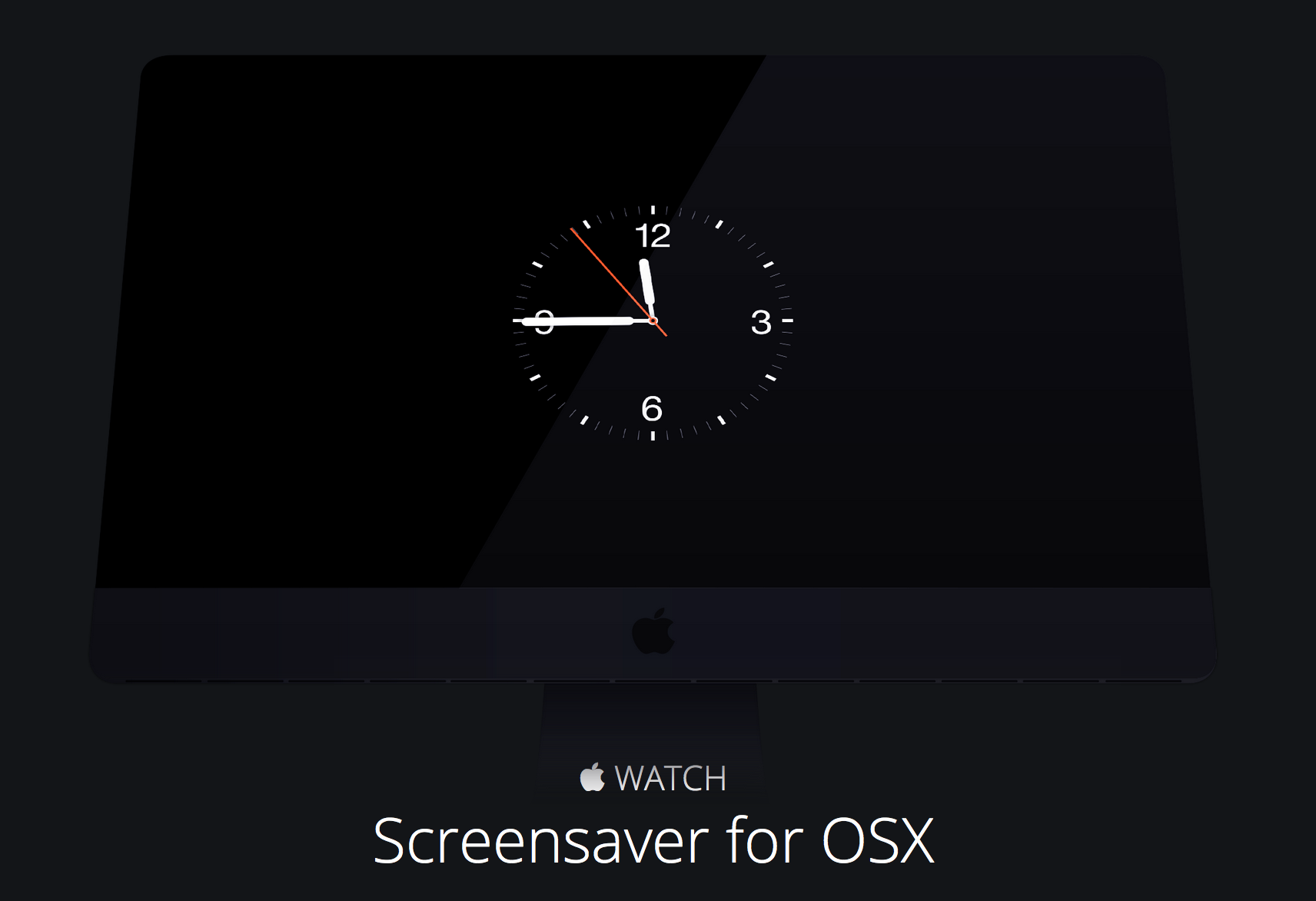
Aerial - Apple TV Aerial Views Screen Saver. Aerial is a Mac screensaver based on the new Apple TV screensaver that displays the Aerial movies Apple shot over New York, San Francisco, Hawaii, China, etc. Starting with version 1.4, this also includes the new ISS videos available in tvOS 12!
How to Replace Your MacBook Pro's Hard Drive with an SSD. Clone the Hitachi 500Gb HDD from my late-2011 Mac Mini to a Samsung 840 Evo 128Gb SSD. On El Capitan. My mac and then I cannot. Apple 1TB SSD Hard Drive MacBook Pro 13' A1502 / Macbook 15' A1398 / Macbook Air 11' / 13' A1465 A1466 OSX Sierra / Late 2013 - Mid 2015 /. $679.00 (2 used offers) 5 out of 5 stars 3. OWC 480GB Aura Pro 6G Solid-State Drive for 2012-2013 MacBook Pro with Retina Display. CY Supporting Plug & Play and Hot-Swapping Mac. And format with Mac OSX journalled. With your Recovery USB stick plugged in, reboot holding. Down Option key. When presented with the boot selection, select the USB recovery. Once things load up select Disk Utility and do a Restore. Question: Q: Swapping HDD with SSD (+Software Cloning) More Less. Apple Footer. 2013 mac swapping hdd for an ssd. Step 1: Gotta clone the HDD to the SSD Thought I'd document my HDD swap and all, help others out! I already completed the. The SSD in your MacBook Pro can. I upgraded a 15-inch 2013 MacBook Pro with Retina Display that originally came with 256GB of storage. As well as an enclosure so that you can turn your old.
To install a Quartz (.qtz) screen saver, open Finder and choose Go > Go to Folder from the menu bar. Enter the following path and click Go: ~/Library/Screen Savers Next, drag and drop or copy and paste your desired.qtz files into this folder. If you haven’t previously installed any custom screen savers, this folder will likely be empty. Note that this method installs the Quartz screen saver for the current user only. If you’d like to install it for all users on the Mac, remove the tilde (~) from the beginning of the path above, which will take you the System’s Library folder instead of the User’s Library. Now head back to System Preferences > Desktop & Screen Saver > Screen Saver and you’ll see your new Quartz compositions listed as available screen savers.