Upgrade Quicken Essentials For Mac Version 2010 To Quicken 2017 4,2/5 1901 reviews
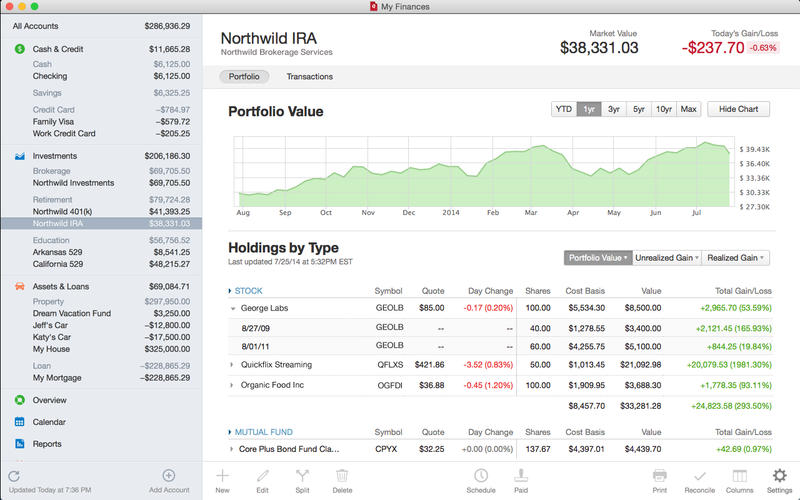
If the version of Quicken Mac being used was NOT purchased from the Mac App Store, there should be no external converter used. Quicken Mac 2017 will directly import a Quicken Windows file. Quicken Mac 2017 will directly import a Quicken Windows file. Quicken for Mac 2017 imports data from Quicken for Windows 2010 or newer, Quicken for Mac 2015 or newer, Quicken for Mac 2007, Quicken Essentials for Mac, Banktivity. Mobile System Requirements. Free m4v player for mac. - Quicken mobile app compatible with: iPad, iPhone, iPod Touch and Android phones and tablets.
With expected any day now (predictions were Thursday, July 14), it's time to get serious about the fact that the new operating system version is not expected to support older programs compiled for PowerPC processors. Root of the Problem When Apple switched from PowerPC (PPC) processors to Intel processors in 2006, then Intel version of OS X included a utility called Rosetta, which translates the PPC code into Intel-friendly code, enabling users of Intel Macs to run older applications.

Reports from developers with pre-release copies of Lion are unanimous that Rosetta is no longer included. The result is that those older applications won't run after users upgrade to the new OS. In, I showed how to check whether you're running any applications that are dependent on Rosetta. In my case, there were several.
An older version of is easily updated to an Intel-friendly version, but my older version of Intuit's Quicken financial management software proved to be more of an issue. The Problem with Quicken I've been running a copy of Quicken 2005 that was originally bundled with a G5 iMac; I've transferred it, along with my financial data, from Mac to Mac ever since. I haven't bothered upgrading it, since it ran fine on my aluminum MacBook running today's, and I haven't needed more than a few of even this older version's features. Intuit has had an on-again/off-again relationship with Mac users, with long periods where it hasn't bothered to release Mac versions of its programs, Quicken, QuickBooks, TurboTax, and more.
It has a current Mac version of Quicken, Quicken Essentials 2010, but that has been criticized for being less powerful than its current Windows version. In fact, Intuit recently Mac users: 'This option [using Quicken Essentials] is ideal if you do not track investment transactions and history, use online bill pay or rely on specific reports that might not be present in Quicken Essentials for Mac.' And while there's a US version of Quicken Essentials, there's no Canadian version - meaning no support for Canadian financial institutions, Canadian tax codes, etc., even though Intuit Canada has released a localized version of its Windows Quicken. Intuit Canada's advice for Mac users: Install Windows on your Mac (perhaps using virtualization software like VMware Fusion) to run the Windows version of Quicken or sign on with Intuit's online service. Sorry, I'm not prepared to do either. If I wanted to run the Windows version of Quicken, I would be doing that on a Windows system.
Migrating to Quicken Essentials Intuit notes that it will not 'maintain your transaction history'. Instead, I got a copy of the US version of Quicken Essentials 2010 for Mac - I haven't needed the financial institution or tax code support anyway. (Some good news - Intuit is currently offering Quicken Essentials for - $24.99 instead of $49.99.) However, importing the data from my old version of Quicken wasn't particularly straightforward - and there's an issue that any user of an older Mac Quicken version needs to be aware of prior to upgrading to Lion.  Quicken Essentials 2010 includes Quicken File Exchange to convert data exported by Windows Quicken or older Mac Quicken versions.
However, it doesn't support my 2005 version - the only older Mac version supported is Quicken 2007. Here's the process I had to go through (if you don't have Quicken 2005, your process will be somewhat different): • Open Quicken 2005 and Export your account data (it will have a *.qdfm file extension). • Delete your old version of Quicken. (I archived it first so I could get it back if needed). • Install Quicken 2007 and import the qdfm file. • Export it again. The 2007 Quicken will produce a file with a *.qdfx extension.
• Install your copy of Quicken Essentials 2010. It will let you import the qdfx file, and you should be in business. But you have to do all this before upgrading to Lion. While Quicken Essentials 2010 is written in Intel-friendly code that will run under Lion, Quicken 2007 needs Rosetta. And to make matters worse, Quicken Essentials' Quicken File Exchange Utility - while presumably a current version - is also a PowerPC application, and since it requires Rosetta, it also won't run under Lion.